Traits Atlas
Codebook, Minimums, Exceptions
Corroded Patina
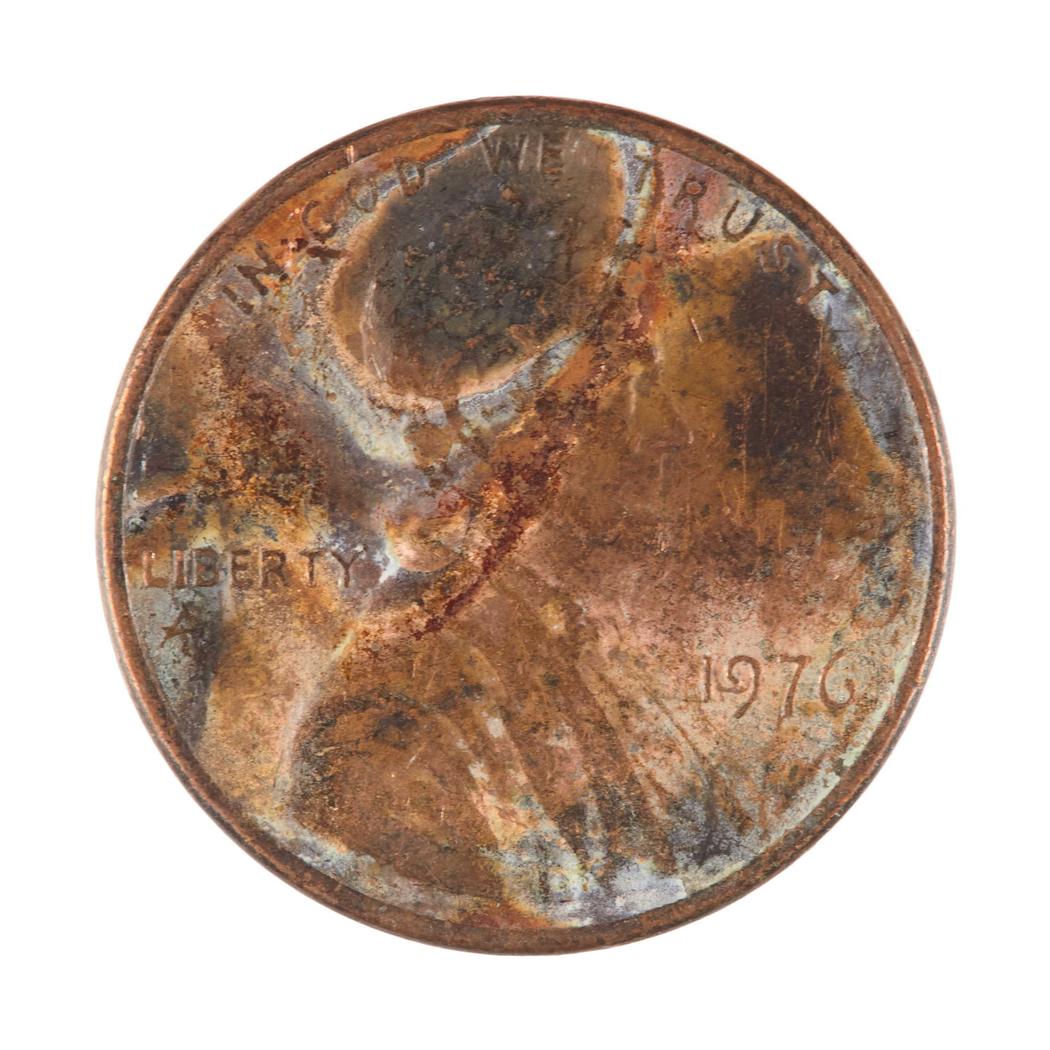
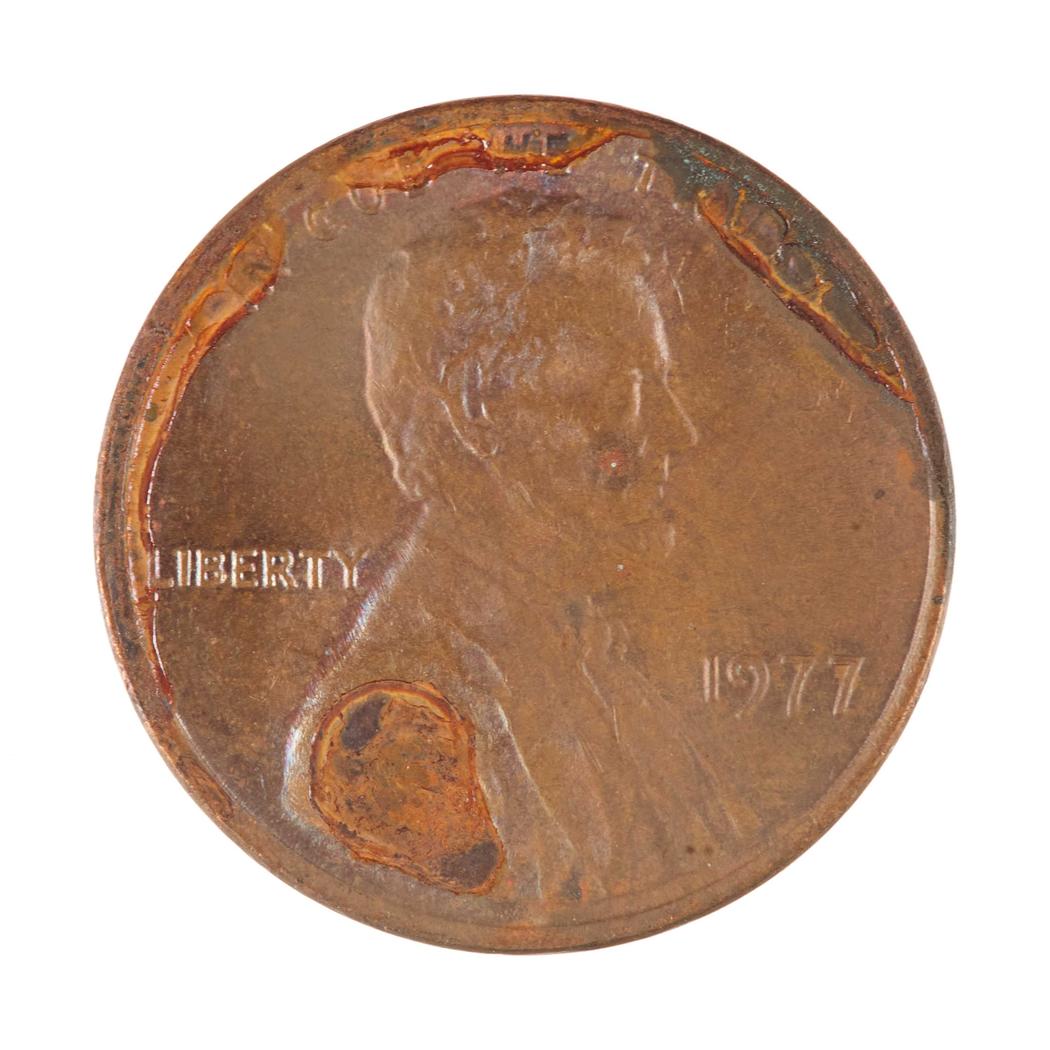
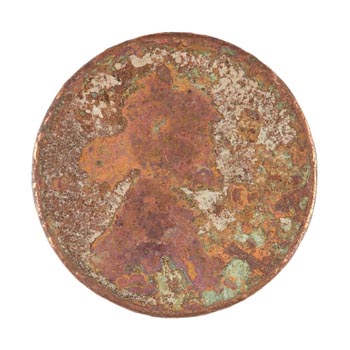
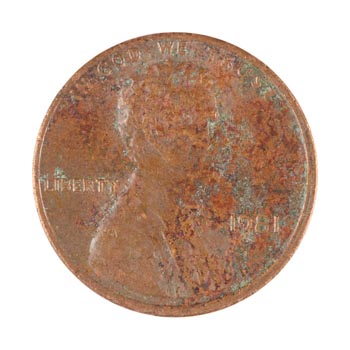
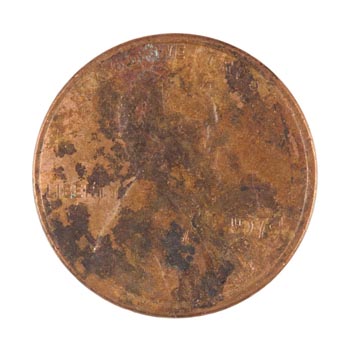
Summary: The Corroded trait describes CENTS where oxidation has progressed into deep surface alteration – producing rusty coloration, granular textures, and mineral incrustations that visibly disrupt the copper fabric. Corrosion here is not a color shift alone, but a structural transformation: the metal has been chemically eaten, pitted, or replaced by oxide material.
Definition: Qualifies when the Cent exhibits clear evidence of advanced corrosion processes: porous crusts, rust-like blooms, brittle or friable surfaces, or cratered regions where copper has degraded into oxide masses. Distinct from patina (thin-film chemistry) and contamination (external substances), corrosion is internally generated decay.
Material Character: Typically driven by moisture, soil contact, or long-term exposure to reactive environments, corrosion forms layered oxide complexes – including cuprite, tenorite, and various sulfate or chloride products. These mineralized crusts create a sculptural, uneven surface profile that registers the Cent’s passage through harsh conditions before entering the collection.
Corroded Variations
Notes
- Visual hallmark: Rust-like reds, granular brown crusts, porous textures, and pitted surfaces that indicate deep chemical degradation.
- Border with Contaminated: If the material is additive rather than transformative (e.g., dirt, salt), classify under Contaminated. Corroded requires structural metal breakdown.
- Conceptual significance: Corrosion is the CENT’s most literal entropic trait – the image eroding into its elemental chemistry, portrait and metal begin to dissolve into one another.
Version 1.0