Traits Atlas
Codebook, Minimums, Exceptions
Obsidian Patina
Summary: Dark brown-to-black patina formed by long-term surface chemistry; valued for its deep, matte to satin tonality that can push the copper into shadow.
Color: Warm blacks, umbers, rich browns; often deeper in low relief and along lettering, with thin films over open fields.
Chemistry: Frequently associated with cuprite (Cu2O), tenorite (CuO), and copper sulfides (e.g., Cu2S), sometimes intermixing with existing oxides.
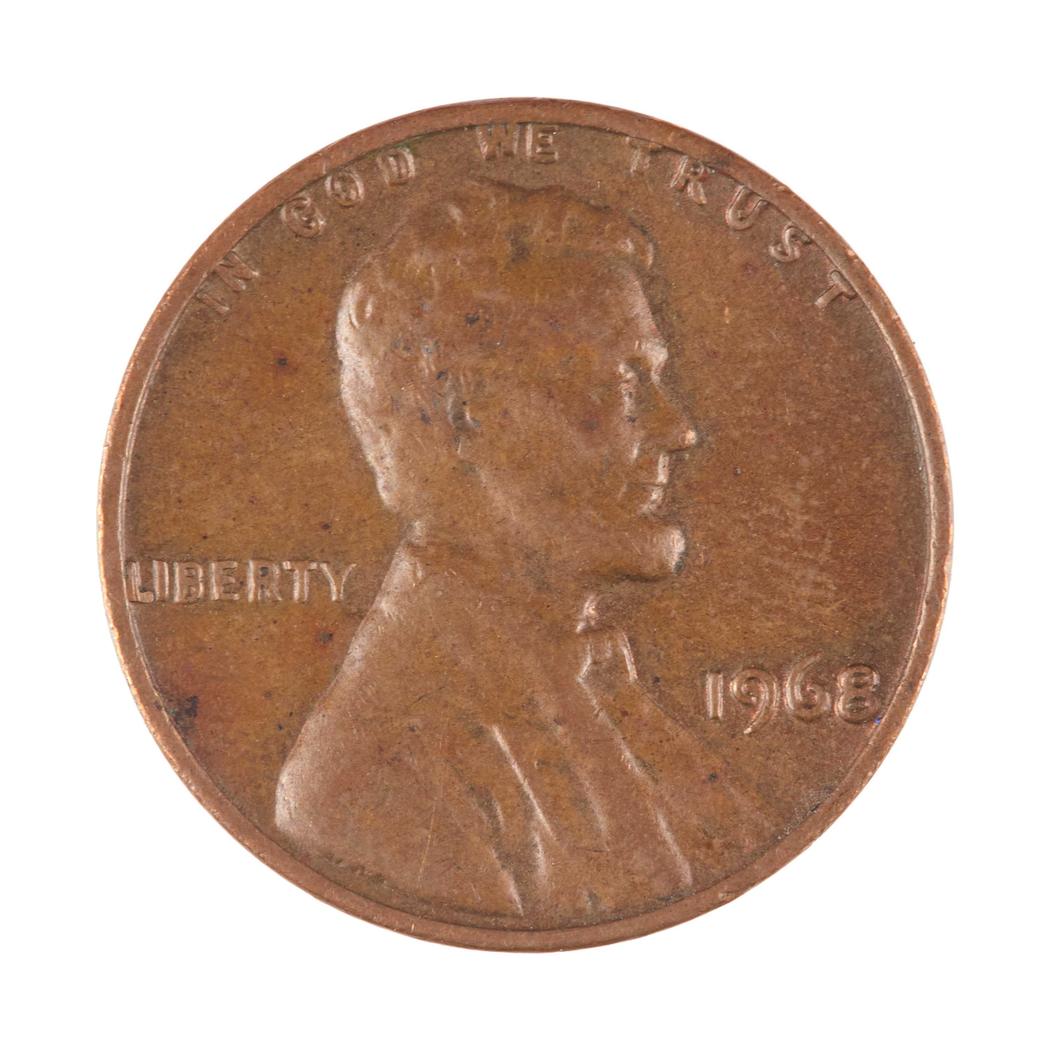
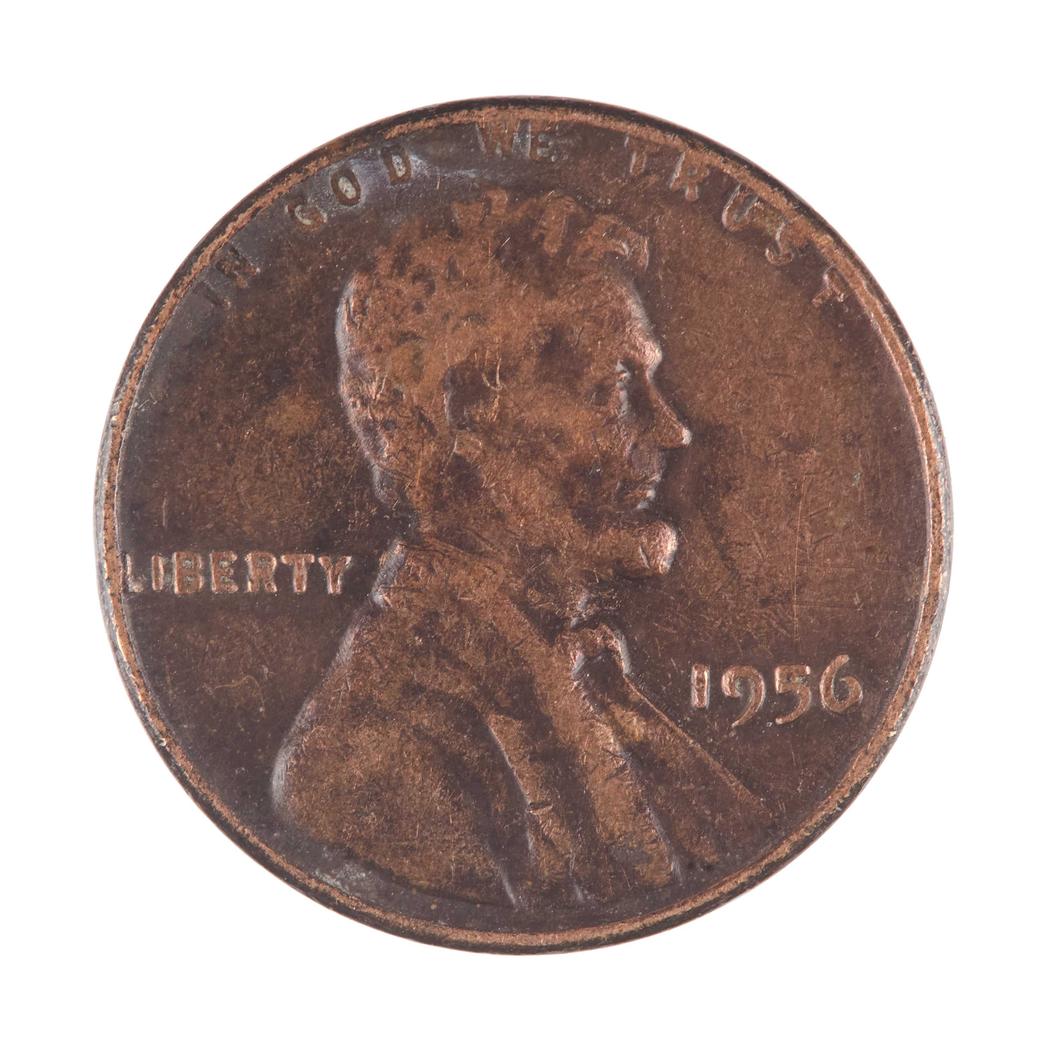
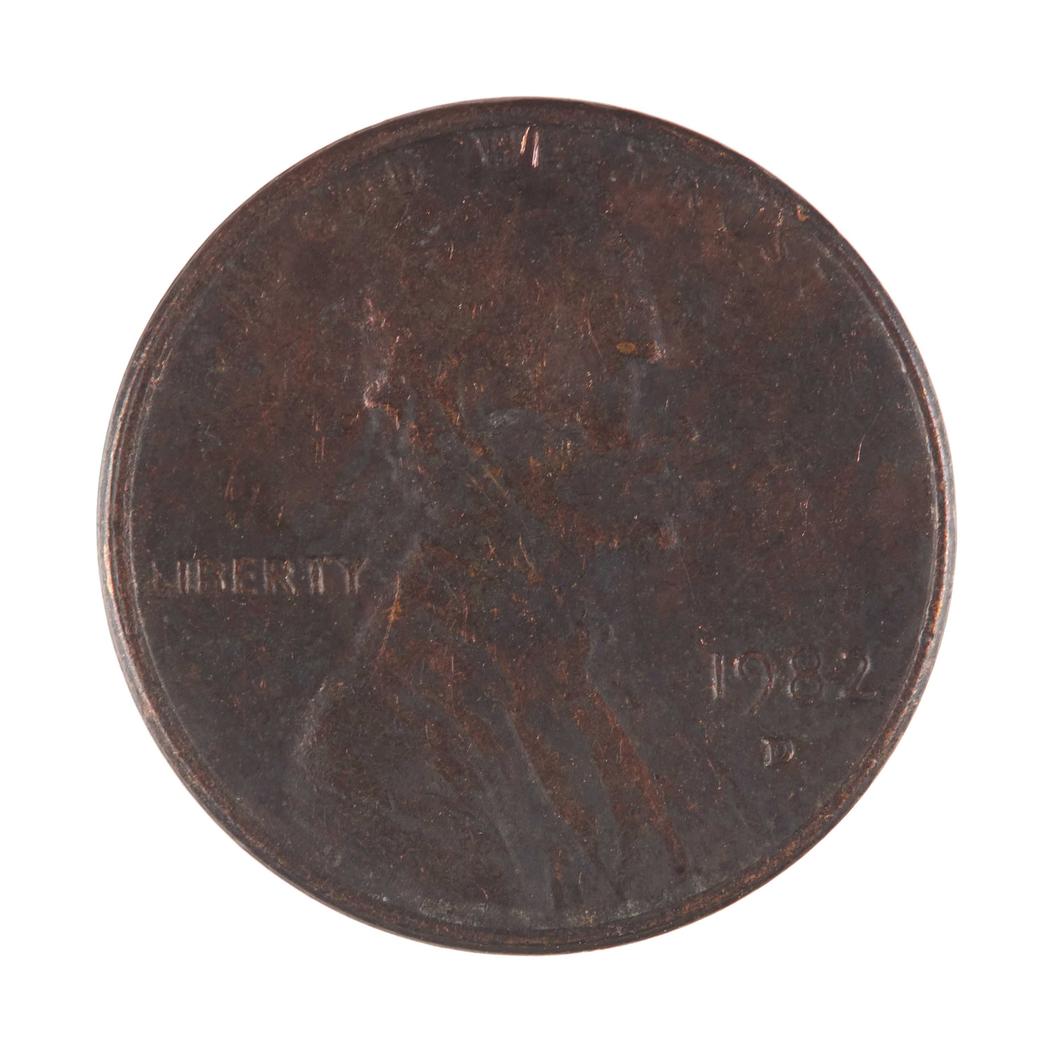
Obsidian Tunings
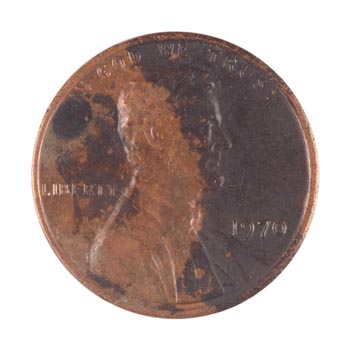
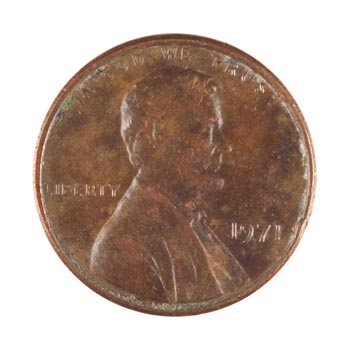
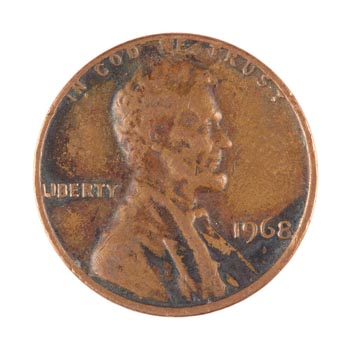
Intensity Scale
- Notable obsidian: Clearly visible brown/black toning but still localised: thin films or islands in recesses and along lettering; roughly from the minimum threshold up to ~20–30% of the face area.
- Significant obsidian: Obsidian is a major visual actor with strong darkening, but not yet fully dominant; approximately ~30–70% coverage, or a smaller area with notably deep, dense shadow.
- Full obsidian: Obsidian toning is the dominant surface condition, forming continuous dark regions that visually define the coin; generally > ~70% coverage with a clear dark-brown/black read at first glance.
Version 1.1 – updated to notable / significant / full scale