Traits Atlas
Codebook, Minimums, Exceptions
Lustrous Finish
Summary: The Lustrous trait designates CENTS whose original mint luster remains substantially intact, producing a reflective contrast between Abe’s portrait and the surrounding field. The effect results from microscopic radial flow lines formed during striking – remnants of mint vitality that survived time’s oxidation. In numismatic terms, luster marks the vitality of a coin’s surface; in the CENTS project, it becomes a conceptual paradox: a form of preservation within decay.
See also: *Lustrous Cents – A Conceptual Contradiction*, Martin Lehnen’s Essay exploring luster as paradox in the CENTS project.
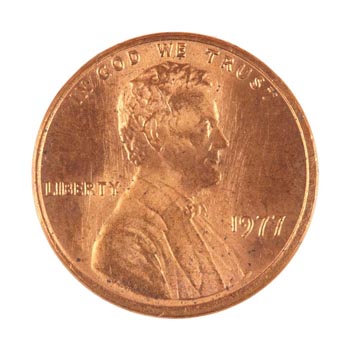
Definition: A CENT qualifies as Lustrous when a visible distinction exists between the brightness of Abe and the matte of the field, caused by unbroken metal flow and minimal surface corrosion. A uniform reflectivity across both zones or heavy patination disqualifies the trait.
Visual Character: Clean metallic sheen; radial highlights around Abe’s head are common. The portrait may appear illuminated, with the field absorbing light more softly. Small imperfections such as faint scratches or minimal residue do not negate the classification.
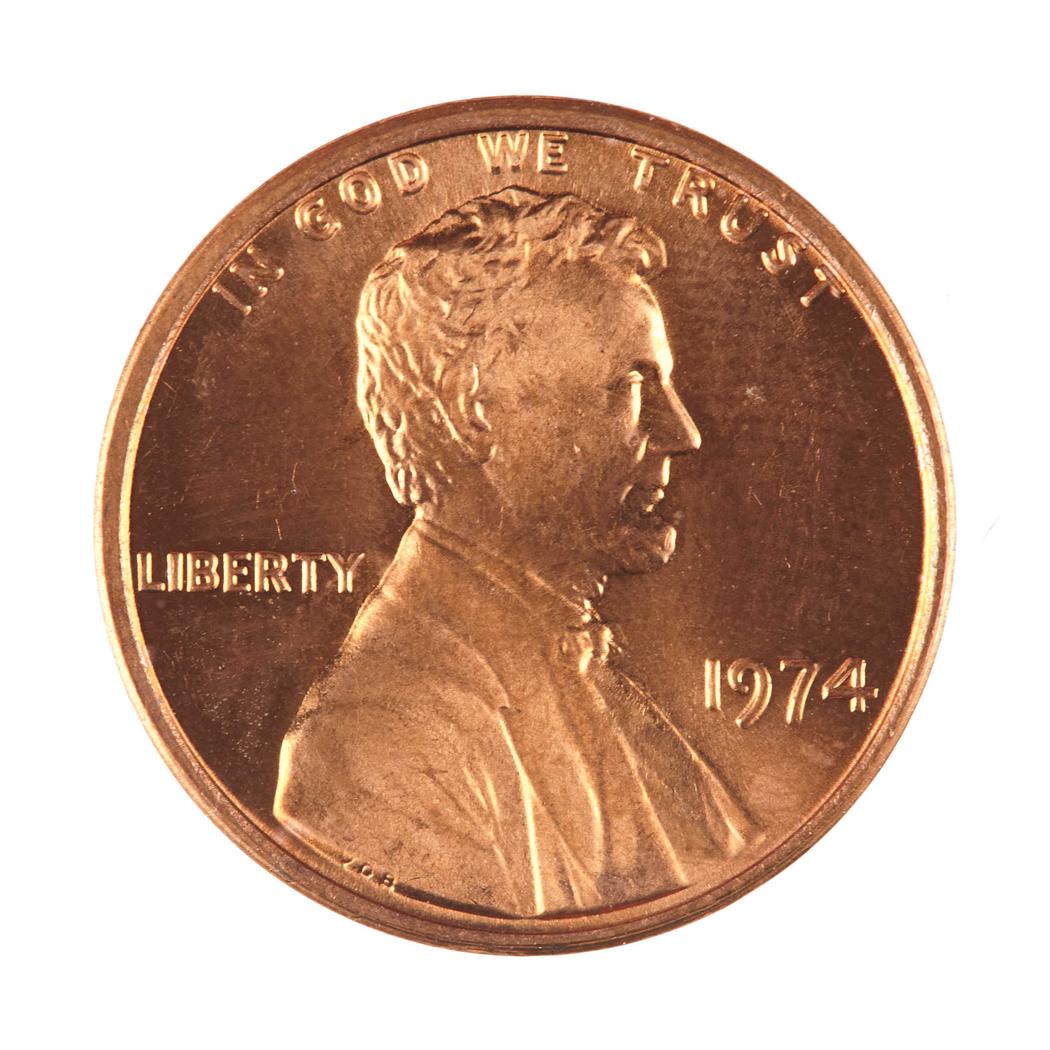
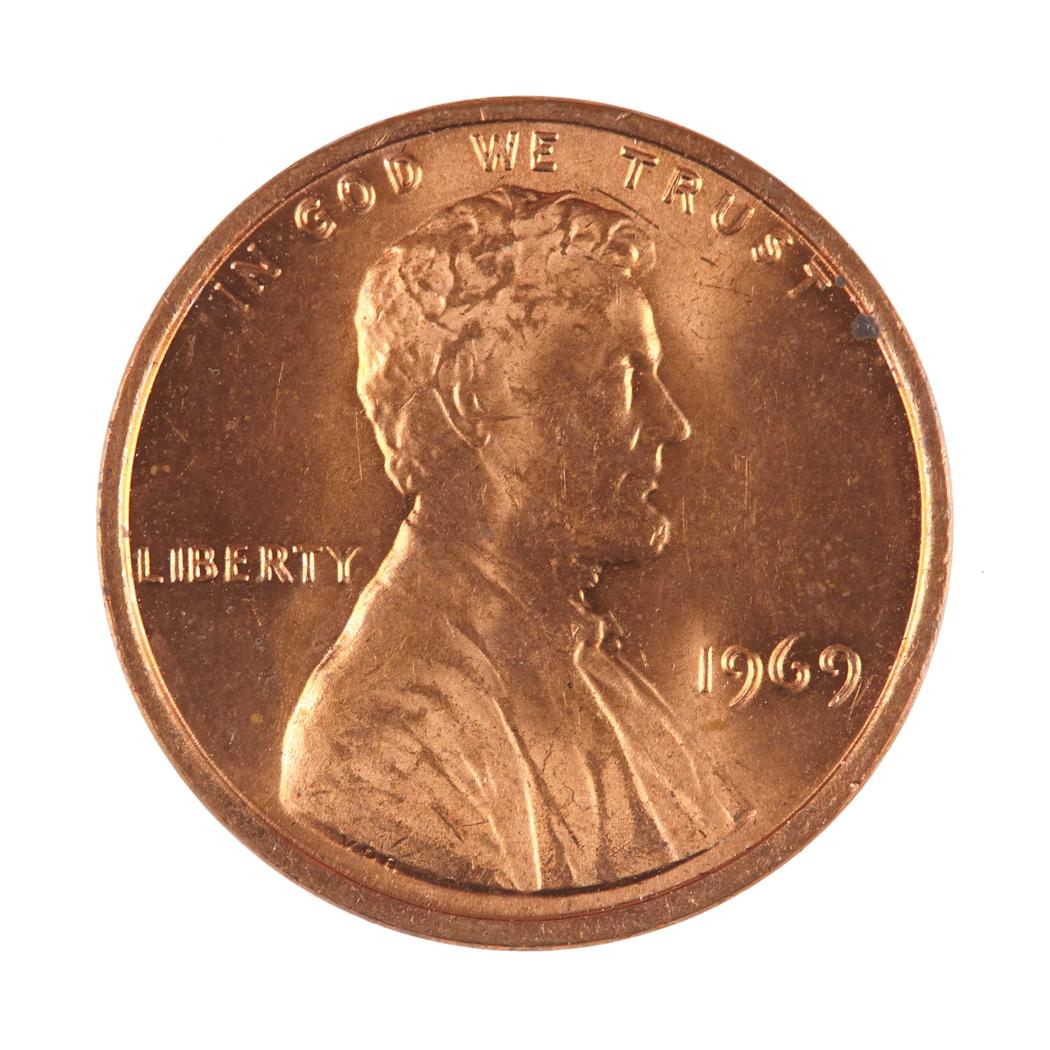
Lustrous Variants
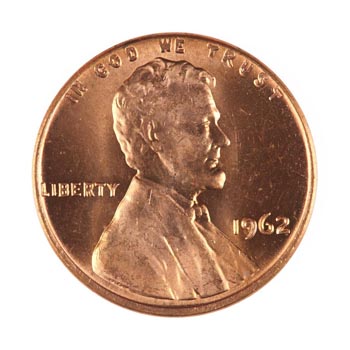
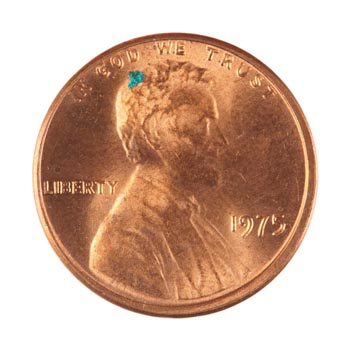
Notes
- Uniform luster across portrait and field is excluded; the defining feature is contrast.
- Note for Numismatists:
This interpretation of lustrous departs from the conventional numismatic usage, which refers to the radial reflection pattern of uncirculated mint surfaces.
Within the context of CENTS, the term is redefined to describe perceptual contrast – the luminous separation between Abe and the field – rather than technical surface preservation.
It reflects a conceptual rather than a mechanical reading of luster. - Conceptual aspect: a moment of preservation – industrial precision resisting entropy.
Version 1.0