Traits Atlas
Codebook, Minimums, Exceptions
Abraded Wear
Summary: Loss of copper from mechanical action. We’re looking for material missing (chunky marks or gouges), not faint hairline scratches.
Definition: A visible removal of surface metal that interrupts relief or fields with a matte, torn, or scooped texture. Distinguished from patina (chemical color) and residue (added material).
Minimums (council guidance):
- Single thin scratch ≠ notable (unless grossly extensive across large areas).
- Peripheral-only marks have a higher bar.
- Meets threshold when: one giant peripheral gouge or two chunky peripheral gouges; field gouges that clearly remove metal also qualify.
Exceptions:
- Light, isolated hairlines or cleaning scratches (even if prominent) → under threshold.
- Color-only changes without metal loss → classify under Patina, not Abraded.
- If abrasion is the source of vandalism, the coin can be labeled Vandalized and also Abraded.
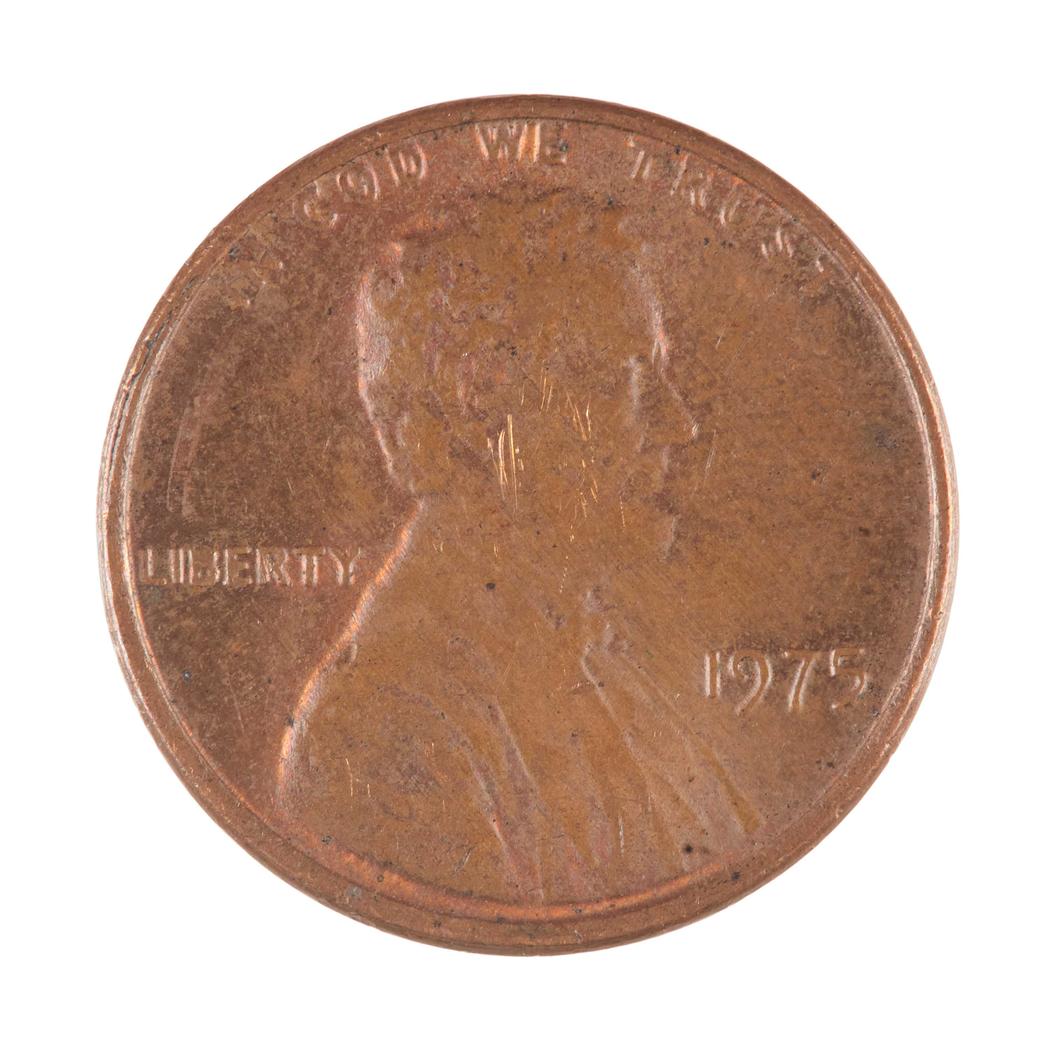
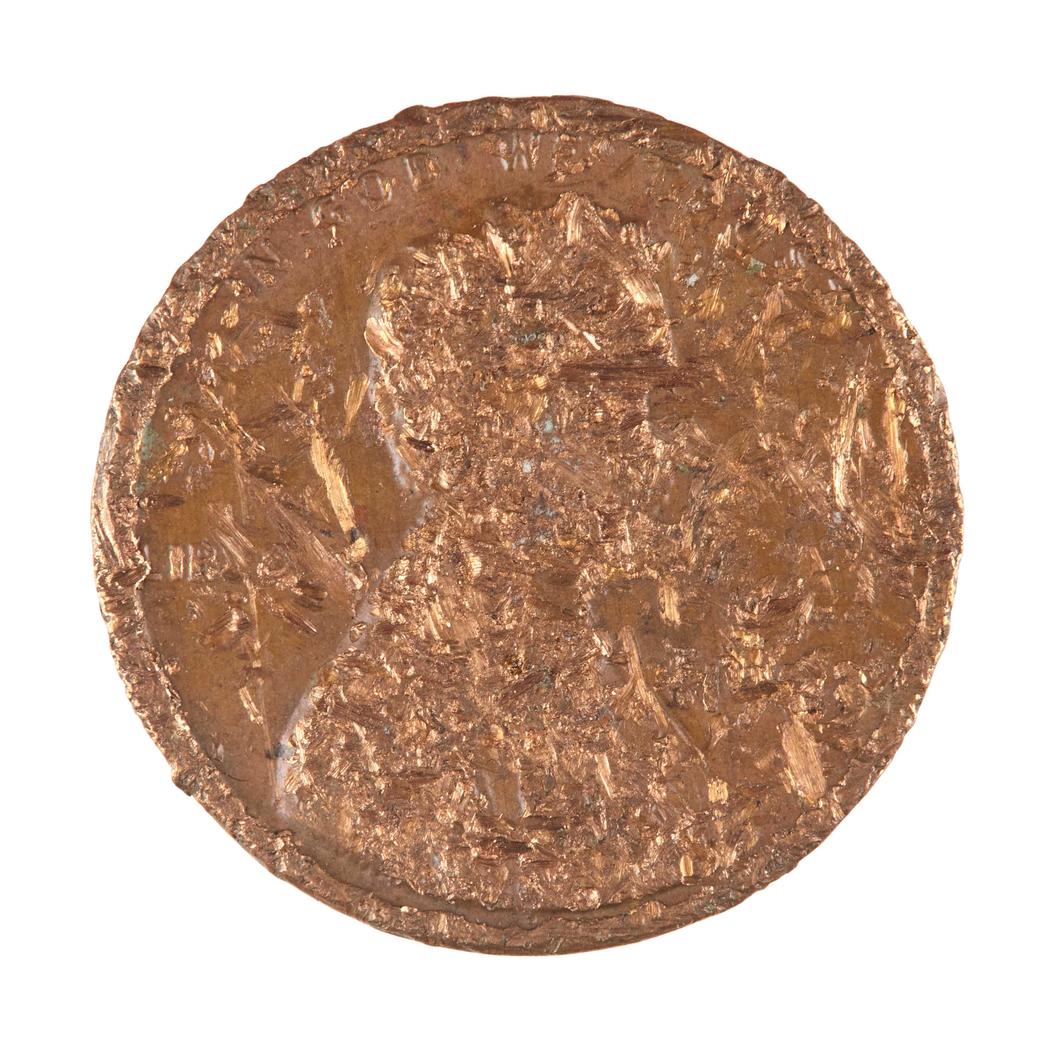
Abrasion Types (Minimum)
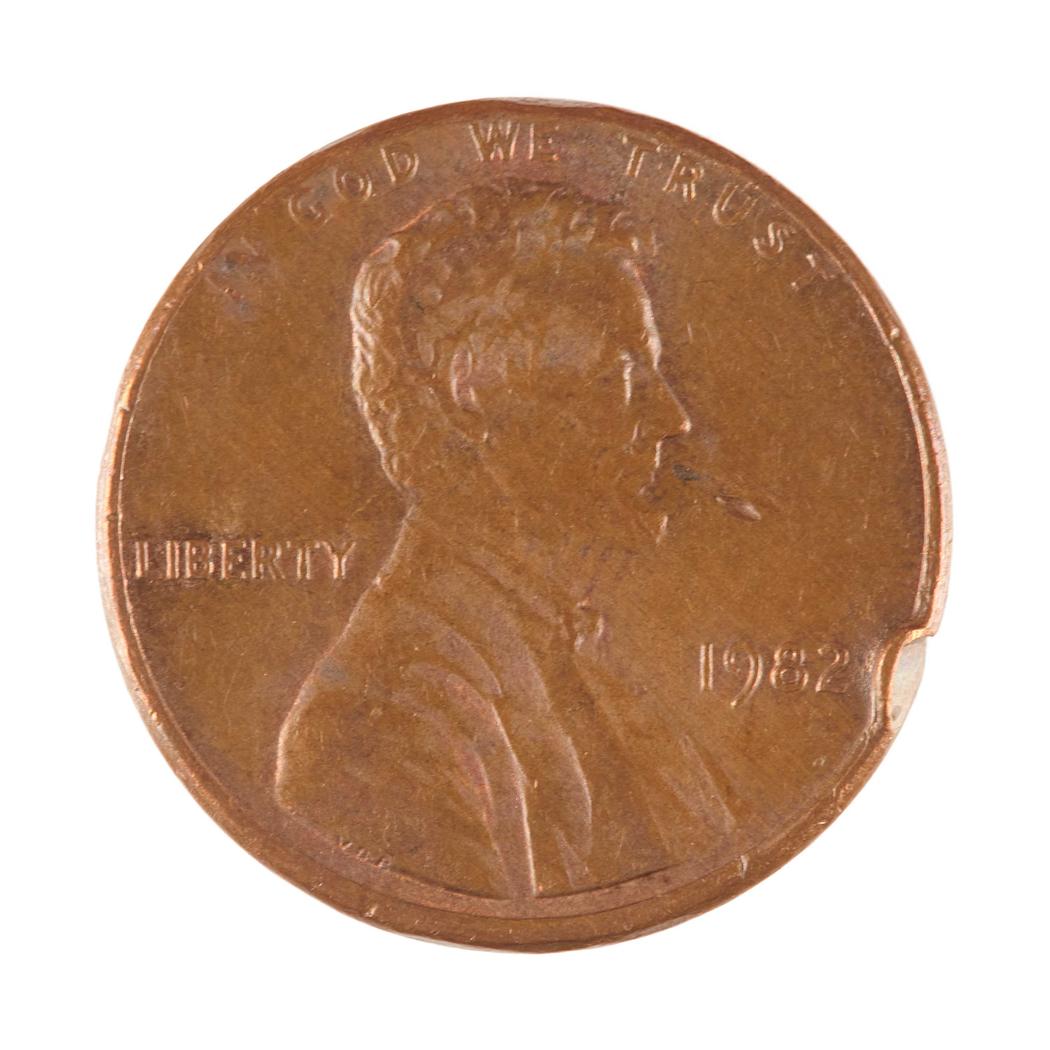
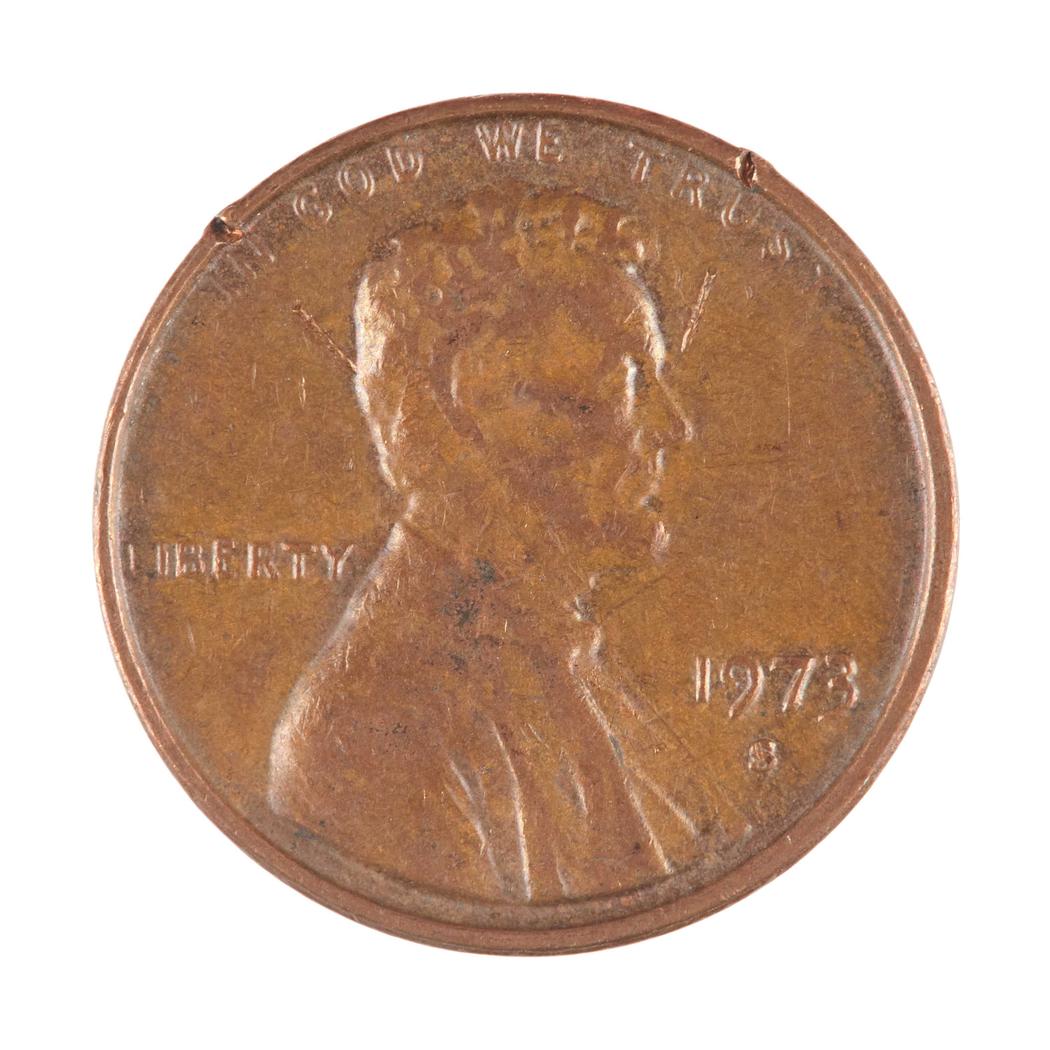
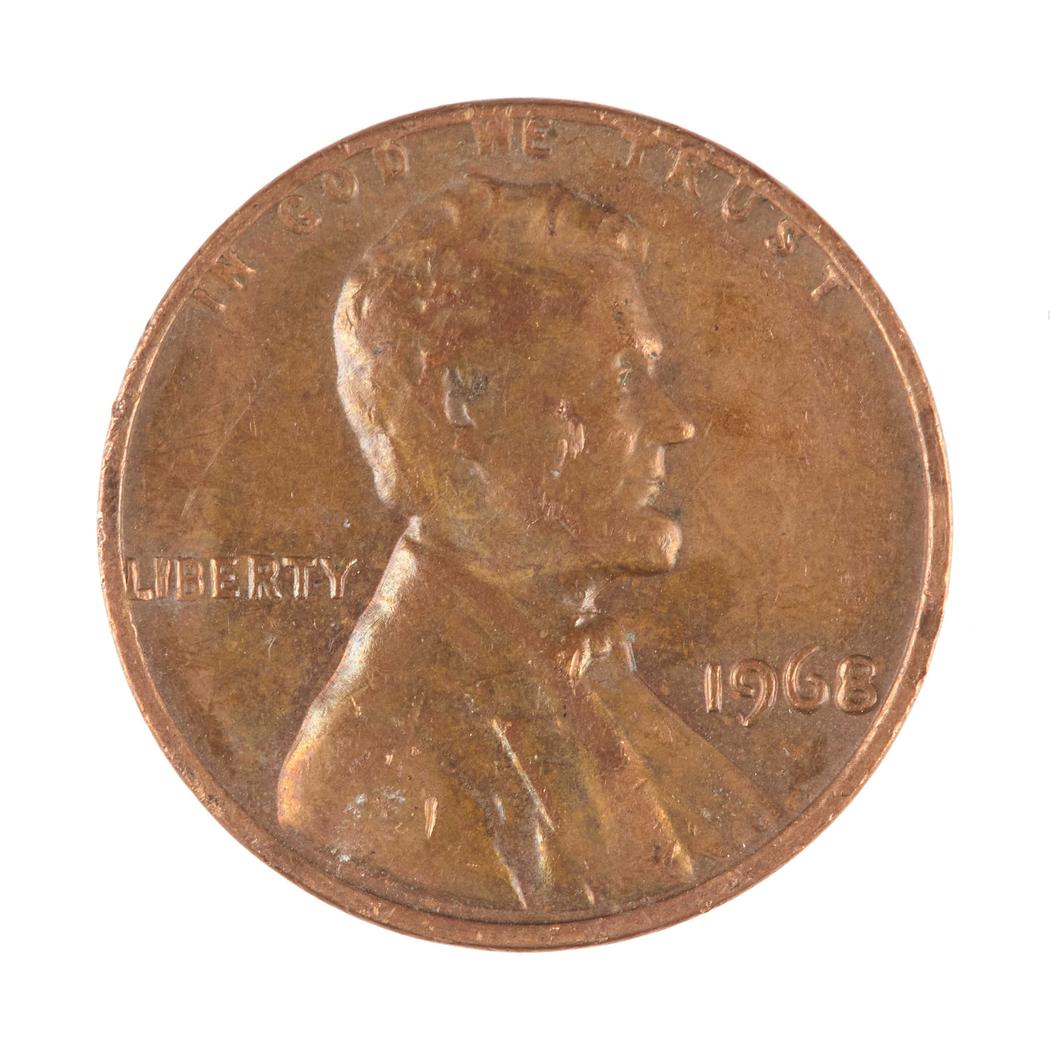
Threshold Guidance (for reviewers)
- Meets: 108, 1184 (minimums), 275 (1 giant peripheral), 32 (2 chunky peripheral).
- Higher bar / often under threshold if peripheral-only: 327, 19.
- Under threshold (scratchy but not enough): 347, 446; also 1315, 190.
Intensity Scale
- Light: one clearly chunky abrasion or equivalent metal loss in a limited zone.
- Notable: multiple chunky abrasions or one giant peripheral gouge; relief impact evident.
- Heavy: abrasion dominates the read of the coin; broad fields/devices visibly missing metal.
Note: If facial features are largely abraded away, consider the separate trait Faceless.
Version 1.0